A loan-to-value (LTV) ratio compares the amount of debt required to purchase a home to the value of the house being purchased.
LTV is important because it is used by lenders to assess whether or not to grant a loan and/or what terms to offer a borrower. The larger the LTV, the greater the lender's risk—if the borrower defaults, the lender is less likely to recoup their investment by selling the home.
The loan-to-value ratio is a straightforward computation that compares the amount of money borrowed to buy an object to its value. It also displays how much equity a borrower has in the home used to secure the loan—how much money would be left over if the borrower sold the home and paid off the debt.
The LTV is the reverse of the down payment made by the borrower. For example, a borrower with a 20% down payment has an LTV of 80%.
What constitutes a good LTV varies depending on the type of asset being financed. When purchasing a home, an LTV of 80% or less is generally regarded as good—this is the limit you cannot surpass if you want to avoid paying mortgage insurance. Borrowers must make a down payment of at least 20%, plus closing fees, to obtain an 80% LTV.
While 80% is regarded as appropriate, conservative homeowners may prefer even lower LTVs to minimize monthly payments or qualify for better interest rates.
To calculate your loan-to-value, simply add the total amount borrowed against an asset. The total should then be divided by the appraised value of the property being financed.
It's also crucial to remember that the loan amount may include charges that lenders allow borrowers to finance rather than pay upfront at closing, such as loan document preparation and filing fees. However, because those expenses do not add to the property value, they improve your LTV.

Making a larger down payment when purchasing a home is one method for lowering your LTV. If you borrowed $400,000 with a $10,000 down payment, your LTV would be 97.5%. If the LTV surpasses 97%, a conventional loan cannot be acquired. As a result, you'd need to put down at least $12,000 to increase your LTV to 97%.
Another way to minimize your LTV when buying a property is to choose a less expensive residence. Putting down $10,000 on a $300,000 house instead of a $400,000 house results in an LTV of approximately 97%.
Paying down your loan's principal reduces your LTV. If the value of your home rises, your LTV will decrease.
To get approved for a home loan, it's best to plan on putting down at least 20% of the home's value—this would result in an LTV of 80% or less. If your LTV reaches 80%, your loan may be denied or you may be required to acquire mortgage insurance to be approved.
LTV is also crucial because if you're buying a home and the appraised value is significantly lower than the purchase price, you may need to make a higher down payment so that your LTV doesn't exceed your lender's limitations.
If you currently own a house and are considering a home equity line of credit (HELOC), most lenders will allow you to borrow up to 90% of the value of your home when paired with your existing mortgage. If the value of your home has dropped since you bought it, you may be unable to obtain a home equity loan or HELOC.
Assume you own a $100,000 home that you purchased five years ago. Your current LTV is 65% if you have a mortgage with a balance of $65,000. If your credit is good and you qualify for additional financing, you may be able to borrow up to $25,000 through a HELOC, increasing your total LTV to 90%.
Finally, if you already have a loan and your house value declines to the point where your LTV exceeds your lender's limits, most home loans aren't callable, which means the lender can't demand repayment before the loan term expires. However, some HELOCs are. Alternatively, if the term of your HELOC is about to expire, your lender may opt not to renew it. If you have a balloon mortgage, you may encounter difficulties refinancing your balloon payment at the end of your loan.
While a loan-to-value ratio considers the amount borrowed against a home about its value, combined LTV considers the total amount borrowed against the value of a home across multiple loans.
This is essential because, in contrast to many lenders, combined LTV includes the total amount borrowed in any loan secured by the property, including first and second mortgages, home equity lines of credit, and home equity loans.
Loan-to-Value Requirements for Various Mortgage Types
Every lender and loan type has its own set of constraints and restrictions, including the LTVs of borrowers. Some even have two thresholds—for example, an absolute limit and a minimum required to avoid additional protections like mortgage insurance.
Traditional Loans
Conventional mortgages follow lending guidelines established by government-sponsored enterprises such as Fannie Mae and Freddie Mac. These loans comprise the great majority of all mortgages issued in the United States. Lenders set a limit LTV of 80% on traditional mortgages for borrowers who want to avoid acquiring private mortgage insurance. Borrowers who are prepared to acquire mortgage insurance may be able to get up to 97% LTV if the lender improves.
Mortgages Guaranteed By The FHA
The Federal Housing Administration makes FHA loans directly to homeowners. These loans are specifically designed to encourage homeownership among borrowers who would be unable to afford a down payment on a regular loan. The maximum loan-to-value ratio for FHA loans is 96.5%.
It's also worth noting that all FHA loans require borrowers to purchase mortgage insurance as part of the loan program, so greater down payments don't save homeowners money.
VA Loans
VA loans are government-backed mortgages intended exclusively for members of the United States military and veterans. Eligible borrowers can finance up to 100% of a home's worth through VA loan programs. Borrowers are often still responsible for paying any fees and other closing costs that, when combined with the purchase price, exceed the home's value.
USDA Loans
USDA loans are government-backed loans granted directly by the United States Department of Agriculture. Department of Agriculture and are intended to assist rural residents in affording homeownership. Home purchasers can finance up to 100% of the purchase price of an existing home using the USDA's home loan programs. For existing home loans, the USDA will frequently cover "excess expenses" (those that exceed the home's worth), such as:
For more content like this, visit our website today!
Whether you've started the home-buying process or you're planning to refinance, you've probably heard of loan estimates.
In essence, a loan estimate gives you a list of the things you need to know about the loan you're applying for. This includes the interest rate, other charges, etc. Once you have it, you can know and adjust your budget and get ready for the down payment.
It consists of a three-page document providing loan information, including interest rate, monthly payment, and the total closing cost of the loan. It also contains information about the estimated cost of taxes and insurance and how the interest rate and payments may change in the future.
The form also specifies if the loan has special features you want to include, any penalties you might pay off for early or late repayment, negative amortization, etc. Therefore, you mustn't just read the form but also, understand it.
The loan estimate is usually easy to read and understand. It often comes with a complete explanation of the loan and what it covers. All lenders use a standard loan estimate form, so the simple format makes comparing much easier to see which loan provider offers the best option.
Normally, you can expect your loan estimate in as fast as three business days, unless you don’t meet the lender's qualifications and your application is rejected.
When this happens, lenders must give you a written notice within 30 days and state why your application is being rejected. A loan estimate has no cost, the only fee you will pay to get a loan estimate is the credit report fee.
When you do get a loan estimate, its validity is within 10 business days. So, you need to evaluate carefully within this period if you will accept the loan offer or not. You may request the lender to change the terms and give you a new loan estimate if you need more time to think and compare with other offers. However, even if lenders give you a new estimate, it doesn't necessarily mean it has a different or worse offer.
Nonetheless, it may change depending on the market conditions and your credit. Like stocks, mortgage rates can change multiple times within a single day, So, you need to be sure of the property you want to buy and that you like it before making an offer and deciding to move forward.
You need to review your loan estimate carefully before you move forward to the underwriting process to make sure you understand the loan and can afford to pay it. You can and should get a loan estimate before finding a property you want to buy, especially in a seller’s market where buyers need to act quickly to make a purchase offer. In case you still don’t have the address of the home you want, you can provide a similar type of home and its price since a loan estimate is not an official pre-approval, lenders can still issue a revised estimate after you have chosen a property. If you do move forward, lenders will then ask for additional financial information.
Having a mortgage pre-approval and even a pre-underwriting can make you feel confident about getting the financing. You can check your loan estimate against closing disclosure before you sign your closing documents.

Requirements To Get A Loan Estimate
Getting a more detailed estimate means you need to provide more information such as your debts, specific loan type, and other financial information.
You may ask the lender if there are any inaccurate details on your name. Having a misspelled name can lead to major issues and can cause delays.
Check this information to make sure that what is written is what you discuss with your lender.
Take a look if the loan amount is what you are expecting. On a house purchase, the loan amount plus your down payment should equal the sale price of the house.
The principal is the amount you will borrow from the lender while the interest is the charge lenders put for lending you money. Expect that your total will be higher and pay more due to taxes and insurance.
Check if there are charges related to homeownership that are bundled in your monthly payment.
Make sure that the total here is what you expected since this will be your monthly payment including the insurance.
Do you have items in this section that are not escrowed? If you do, you’ll need to pay this cost directly in large lump sum payments and ask how often you need to make these payments.
This is the upfront cost you will be charged to get your loan and transfer ownership of your property This is included in your payment at closing.
This is an additional payment you have to pay, so having extra funding is a must.
Terms You Need to Know When Looking On Your Loan Estimate:
These are the things you need to know about loan estimates. If you have more questions, feel free to drop them in the comments or call us at 317-316-8224 we can assist you.
When you carefully think and have decided to sell your home, one question that comes first in mind is “How much can I sell my home”?
Deciding to sell your home is a big deal, and the selling price can be your first major hurdle. Of course, all of us don’t want to get ripped off. You need to know how to evaluate the price of your home, so you can make a good investment decision.
What do you think people are willing to pay for a home you are selling? It’s important to get the list price right when it goes on the market. If you price your home too low, it means you’re leaving the money on the table, while pricing your home high can make it sit on the market. When it's sitting for too long on the market, buyers might think that there’s something wrong with your house.
Pricing your home correctly is important, and that means underpricing and overpricing are no-nos. Using the market to analyze and compare prices that are on sale in your area can help you determine its market value.
List Price – It is the price you offer on your home for sale. It is the final price that you and your agent agreed on after considering many factors such as the location, condition of the house, comparable sales, and local market.
Location
The location of your home has a big impact on your home’s value. Is it full of crimes? Is it near a top-class school or university? Is the area a busy street or on a double-line road? Beyond your neighborhood where you live matters.
When you live in a community with nice establishments such as restaurants, churches, and schools, the price of the home in this area is likely to be significantly higher than the price of a home with the same attributes that are not near the establishment but in the same neighborhood.
Location has a big role in determining the value of your home. The agent usually compares prices by analyzing a listing price for properties that are in a similar location or within a half-mile-to-mile radius.
Recently Sold Homes
Agents always bring a comparative market analysis or CMA within the first meeting. The documents will then be compared to your home and the recently closed sales in the market to know and determine its list price. Look closely at this data.
When a mortgage lender has appraised your home through an offer you made with the buyer, they’ll also compare and look for comparable sales. If your home has a much higher comparable sale unlike the others, your home might not be appraised properly, so think twice if you’re going to receive and accept an offer that much.

Condition of the House
An appraiser looks at your home’s condition, how old the house is, and if there are needed repairs in determining its value. The same calculations will be made as the buyer when adding renovations or decreasing its value if it’s outdated.
Well-maintained homes are a plus in determining their value price. An updated home in top condition will price more on the market than homes and bathrooms from old styles, like the 80s because they will not cost a dime in remodeling in case they want to change or renovate the house. A home that has been completely renovated is a yes and more likely to sell than a home that is still in its original condition for more than a decade.
Nowadays, with easy access to the internet and a click, people can be more knowledgeable, and so are buyers when looking at a property. When they walk through, they will know if they are going to update something on the house, like a kitchen, and how much it’s going to cost. So, the condition of your home has a major impact in determining its value.
It is still possible to have your home listed when it needs some repairing but you have to mention it. You can sell the house with significant issues that you don’t want to repair or update and list it as is, but expect a little negotiation and profit expectations as it can have its pros and cons.
Home Updates and Improvement
Anything you add, remodel, and renovate in your home can add value to your home, such as an added square footage, a built fence, a remodeled kitchen, and renovated rooms and bathrooms. However, you can’t get the same amount when you spend money on those improvements in your home. Renovations and remodeling projects sometimes will have a higher or lower return on investment than others.
As mentioned above, buyers in your area know the current market value and the updates increase the list price.
Market Conditions In The Area
Market value may vary depending on where you’re selling. Agents may also advise on different listing price strategies. The markets mentioned are the buyer’s market, the seller’s market, and a neutral market.
In a buyer’s market, more homes on the market are relative to buyers. Sellers drop their list price to attract the interest of buyers. It’s also more common to make concessions, such as paying a part in closing costs to have the deal done.
While it’s the opposite in a seller’s market, that has more buyers than homes. It is where the bidding wars happen, and buyers who waive contingencies and homes that go quickly and for higher than the list price are common. Neutral market, in its words, the supply of the house is balanced with the buyer's demand. Homes are sold within a few months and close to the list price.
You can use the best list price in your home by doing the following:
Bottom Line
Seeking the help of a professional is the safest way to determine your home’s value. You can always negotiate the pricing with your agent. It’s always a good idea as well to get informed before you agree to any listing price. When your price in your home is right, there are a lot of interested buyers, and will surely receive an offer within a few days or weeks.
If you happen to apply for a loan or mortgage you might encounter new terms, such as pre-qualifying and pre-approval. It’s no surprise though since these are the key steps in processing your application. People might use these terms conversely, but there are important differences that applicants must understand.
Pre-qualification is the first step in loan application. During this process, the borrower provides the lender with an overview of their financial capability, including their income, assets, and debt. This will help the lender create an estimate of how much can be borrowed.
Pre-approval is the second step. This is a conditional commitment that often tells the borrower that they are qualified for the amount they’re applying for. This process usually takes longer than the initial step.
The difference between the two? Getting pre-qualified is much faster and the details are not that much while the pre-approvals are more comprehensive.
Nonetheless, pre-qualified or pre-approval doesn’t mean that having these letters can secure you a loan from the lenders you are applying for. However, having these may help you prove that you are capable of buying and purchasing a home.

As mentioned, this is an early step in the application process. During this time, the borrower submits financial data for the lenders to review. Getting pre-qualified means providing the lender will look at your overall financial picture. It includes your current and past debts, income, businesses, assets, bank account information, and your ideal loans and payment amounts.
They will also look and review whether you can pay on time. During pre-qualification, they will give an estimate of how much you are allowed to borrow and will give you different options that are available to you. This is known as a soft inquiry and will not affect your credit score.
Pre-qualification process as mentioned, doesn’t require detailed information and doesn’t ask for statements or other detailed financial information as required in the pre-approval process. Processing pre-qualification can be done online or over the phone. It will also not involve any amount.
Pre-qualification is fast and won’t take a week to process, but remember that pre-qualification doesn’t include credit reports being reviewed or an in-depth look at the borrower’s capacity to purchase. The initial pre-qualification is for discussion of any needs regarding your application for a loan or mortgage. Lenders will discuss options that you can have and what suits you best.
Then again, this is not a guarantee that you will get a loan. It will just be based on the information you have given or provided, and will only give you the possible amount you can borrow or expect. It’s not the same weight as the pre-approval that has more detailed requirements and thorough investigation.
Getting pre-approved is the next step after the pre-qualification. Pre-approval is a much longer process and requires a more detailed investigation. They will look through your financial information and your credit history report. When you have a pre-approved letter, it’s a good indication that you are creditworthy and that you can borrow.
A complete official application form is needed to get pre-approved. By providing lenders with the necessary documents, they can run and perform an extensive financial background check and will give you a more precise estimate of how much the lender is willing to lend allowing borrowers to look for homes or cars lower than the price level. It puts borrowers at an advantage, such as having a better interest rate.
Unlike pre-qualification, pre-approvals require hard inquiry, which can affect and temporarily lower your credit score. It also takes longer and may take up to 10 days.
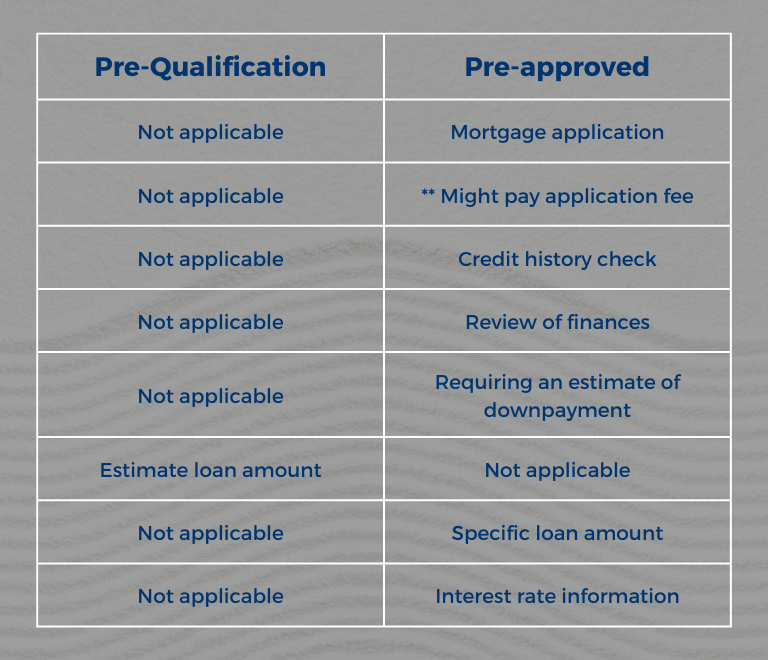
As mentioned above, pre-qualification only gives an estimated amount of what you can loan based on the information you have provided, and believe that you will qualify for a loan. Getting pre-approved, on the other hand, has more detailed information about your financial information and loans you the money for a mortgage.
What are the advantages of completing both steps? It gives an idea of how much a borrower can spend. For example, when you are looking for a home, you will save time and effort by looking for homes that are within your budget instead of houses that are too expensive. If you’re pre-approved, it can help speed up the buying process, letting the seller know that you’re serious about getting the house. Most sellers are more willing to negotiate with those who are pre-approved, allowing borrowers to get and close a home more quickly.
After you have made it to the two steps, the borrower will give a copy of the purchase agreement to the lender. Aside from the purchase agreement, other necessary documents should also be given to the lender as a part of the full underwriting process after you have made an offer. Lenders will hire a licensed contractor to do a home appraisal and determine the home’s value. Loan commitment will be the final step in the process. A loan commitment is an agreement by banks and other financial institutions to lend an individual a sum of money. This is only issued by the bank when approved.
You don’t have to spend all the money on the pre-approved amount. It is ideal to spend less. Depending on the market and the home you choose, you can spend less money leaving you with an extra budget that you can use for other expenses like emergencies, renovations, or for future use. Checking your entire budget can help you determine what will work for you and your financial situation.
Pre-qualified and pre-approved have different meanings. However, these are both essential steps in the loan or mortgage process. Pre-qualification indicates the estimated amount that you can get when you take the loan and pre-approved has a more thorough investigation, a commitment with conditions from lenders that you will be approved for a mortgage. Knowing the difference between the two can help you go smoothly in the process.
The process of buying a house can be bittersweet -- at one point you're excited to live in your dream home, and then the next thing you know, you're stressing over every transaction. This is also true even when it comes to closing.
Both buyers and sellers eagerly anticipate the closing date stipulated in their contract. But, when you encounter a closing issue, it becomes frustrating.
On average, a house closing with a mortgage application takes about 45 days. On the other hand, cash transactions that won't require a lender can close in as fast as one week. Meanwhile, sales that include backing from the Federal Housing Administration involve more paperwork and can take about two months or more.
However, regardless of what or who is involved, other factors can slow down real estate closing.
Real estate title is the legal right to own property. Property rights include the privilege to use, possess, transfer, and enjoy the property. Though it is not a physical document, it is a legal concept of ownership. Technically, buying the property means buying all its titles.
On the other hand, a deed is a physical document that serves as evidence that transfers title from one party to another. It outlines the transfer terms, identifies the buyer and seller, and identifies the property being acquired. The deed serves as proof when transferring ownership or becoming the new owner.
Real estate title and deed are related in the same way but have different concepts, and understanding the difference is crucial when buying or selling a property. There can also be factors that can slow down the transaction. Title issues can indeed cause complications and delays in real estate transactions, including:
Ownership Disputes – Ownership disputes can be complex and sensitive issues. It requires legal intervention to resolve. Some ownership disputes include:
Inheritance – This is a usual family issue when a person dies without a clear will. Having room for potential heirs and will claim who has the right to the property.
Conflicting Claims – Multiple parties assert ownership rights to the property, which is done through oral agreement or historical record.
Unclear Boundaries – When a property is not properly defined or has a conflict report.
Fraudulent Transaction – This includes allegations, such as illegal transfer of title or forged signature.
Errors In Public Documents – It could be worse if there are mistakes in public records, such as incorrect property descriptions or misspelled names, which can lead to confusion and delays. Before everything, such as putting the property on sale, these errors should be corrected so the process can go smoothly without any problems.
Unpaid Taxes – There could be a problem if the current or previous owners have not paid property taxes. The property may have tax liens placed against the house, which need to be resolved before even putting the house on sale and can proceed.
Liens – It’s a legal claim or right made against the asset, which was held as collateral to satisfy a debt. They have the rights or possession of property until the debt was discharged.
Illegal Deeds – This can invalidate the title and require legal action before proceeding with the sale.
Chain Of Title Documents Errors – With the title search, you can avoid issues like who holds the title property, how the title is held, or if there are any parties interested in the property. The document will show the vesting deed, mortgage, and mortgage assignment.
An instrument survey, which is used to check properties, calculates the location by using land surveying instruments. It reflects the property’s boundaries. A face-to-face survey may bring to light property disputes or intrusion into the borders. If solved quickly, parties must sign an affidavit that reflects the resolution of the dispute before putting the home on sale.

Problems that can arise during the home inspection or final walk-through can influence the real estate transaction. Therefore, real estate agents encourage buyers to arrange a home inspection before closing the deal. This process is crucial to examine the property’s condition and identify if there are any potential problems or issues.
Home inspectors will inform you and help you decide on the real estate's condition before proceeding with the purchase.
Problems usually discovered during a home inspection include:
Good communication is essential in solving these problems and looking for ways to find solutions that will satisfy both parties.
A home appraisal determines the market value of a home. The bank’s appraisal value must match or exceed the home’s value or sale price. If the appraisal value falls short, it may cause a delay.
When both parties agree, the seller can complete home repairs to increase the property’s value or decrease their price. If the closing date is delayed, buyers who miss their agreed-upon closing date might pay a delayed closing penalty. It could also result in a breach of contract and might result in both parties walking away from the deal.
Completing the appraisal as soon as possible after contract signing enables the parties to resolve any issues before the closing date and prevents parties from walking away.
Final Thoughts
Real estate closings can be complicated, stressful, and confusing, especially when there's a lack of competent advice or adequate preparation.
If you are considering buying or selling a house, take time to research and follow tips that will make the closing of your property as smooth as possible. Asking for help from a professional, such as a real estate agent or a title service provider can help close a property quickly and hassle-free.
For more content like this, you may visit our website by clicking this link.
Buying or selling a home isn’t as simple as buying clothes in exchange for money. Selling a property is a big deal. For most people, it is one of the biggest transactions, especially for first-time homebuyers. And when you decide to sell or buy a house, you’ll need a title company's services.
When you decide to sell a property, that’s where the title company comes in. They provide a variety of title services to handle the concerns of both the buyers and sellers about the title.
They also make sure that the seller has the right to transfer the property to the buyer. In short, selling your house means needing the title company’s services. They will process everything you require from conducting a title search until its closing day. To know more about what title services can do to sellers, here is some helpful information.
A title company will help sellers with various documents that are needed when they sell their property. This is where the lawyer comes in. They will help you to review the contract and other documents to see if they are valid.
Most title companies have real estate lawyers, but you can always ask friends or family members for referrals.
One of the main responsibilities of a title company is to conduct a title search, which is very important. But, what is a title search?
It is a public record examination of the property’s title you are selling which also includes deeds, mortgages, liens, and other claims that could affect the property’s ownership. This ensures that what the seller sells is clear and eligible for sale. A good title search will help to sell the house and solve issues (if there are any) before the closing process.
Title insurance is also important not only to buyers but also to sellers. It protects lenders, sellers, and buyers from having a financial loss or unseen defects. In most cases, defects usually don’t show up when a title search is being conducted, which is why additional protection is required. It also remains valid as long as the seller remains interested in the property. Two kinds of title insurance policies:
If these are delayed, it can cause closing to be delayed. If issues arise, you should resolve them as soon as possible to avoid leading the deal to fall through.
Title companies will help the seller with the closing paperwork. They will handle all necessary documents that are relevant to government agencies, ensuring that the buyer and mortgage agency has a copy of closing documents.
While the title company also provides notary services to the seller.
When you are selling a property, you need to ensure that the liens are done and paid off.
What are liens, you ask? It is a legal claim or right made against the asset that is held as collateral to pay off a debt. This process can be very complicated and sometimes hinder the closing process. This is where the title company helps to negotiate and ensure that you still get to keep most of the sales price.
The title company will coordinate the payoff process if the seller has an outstanding mortgage or liens on the property. This is to secure that these obligations are satisfied during the closing process.
The title company prepares all the legal documents and paperwork that is needed for sale. They make sure that all necessary documents and documentation are accurate and that it complies with the laws and regulation.
Up until the closing process, the title company will help coordinate with all parties involved, confirming that they have the correct documents, that all funds and documents are properly handled and disbursed, and that the process goes smoothly. They will only give the documents once the buyer completed the conditions and payments that have been set.
Title companies also provide settlement services like facilitating escrow, notarization of documents, or recording the deed with the county. They act as a neutral third party to assist the buyer and seller in the transaction.

After everything is set and the closing is complete, the title company distributes the proceeds from the sale to the seller. The title company will deduct any outstanding amounts owed like closing costs and commissions.
Title services may vary depending on where you live. The amount will depend on the kind of service you will require. The cost usually ranges from $1,000 but will not exceed $1,500.
As mentioned above, the cost depends heavily on which state you live in and is regulated by the state’s Department Of Insurance. So even if you look for different title insurance, the cost will only be the same; however, it might also vary depending on the coverage amount you select.
This will still vary on what state you live in, but for most states, the buyer is the one who pays for the title services and title insurance. Meanwhile, the closing cost can be negotiable and both the buyer and seller can discuss who will pay for the services. It can be a fifty-fifty cost or solely charged to the buyer.
Title companies can often be recommended by the buyer’s real estate agent, lender, or attorney involved in the home sale, or as mentioned above, you can also ask for referrals from a friend or a family member.
Doing the right research and reading reviews can help you decide which title company is best to take services from.
Asking around and knowing their rates and fees can also help you decide, but just make sure that the company you’ll choose is licensed and accredited.
If you're looking for a reliable title company in Indiana, our team at Indy Legal is here to help. Call us at 317-214-6023 or send us a message by clicking this link.
Are you wondering how loans work? If yes, then you’re in the right place!
In this post, we’ll talk about the basic things you need to know about loans, including how it works, the types of loans, short-term and long-term loans, and more.
When it comes to loans, personal loans are the most popular. Its terms, cost, and interest can vary from one lender to another. Whether you use it for family, medical costs, paying for a title company, or unemployment funds, this type of credit is one of the easiest ways to address financial struggle and difficulty.
However, it should not be taken lightly. Whether it’s your first time taking out a personal loan or not, it’s important to know how to compare loans from different lenders. If you have multiple loan options, you can look for the best deals for you and compare the fees, interest, and terms before making any decisions.
Here are a few things to consider when choosing the best loan for you.
The best personal loan for your purpose depends on your current financial status. You may look for the basic type of personal loan with monthly interest and regular repayments that will be made over a stated period.
Short-term loans have higher monthly mortgage payments but often have a lower interest rate. Depending on your loan term, when you pay off your balance shorter than expected, you may pay less in interest overall. It usually has a 6-month to less than 3-year payment.
The long-term loan has higher repayment tenures and can be repaid over an extended period. It usually takes from 3 years to 30 years.
You can compare the different loan terms and then choose the shortest term available for you. As mentioned above, it can have a higher monthly payment but has a lower overall interest rate and you can finish your loan sooner. If, for some reason, you can’t take the short-term loan, then you may consider taking the longer-term loan.
The interest rate and annual percentage rate is one of the important factors that you need to consider in deciding which loan is best for you.
The interest rate on your loan is the percentage of the total amount of loan you’re borrowing and will have an impact on its cost. The annual percentage rate that is sometimes offered in the loan includes the interest rate plus loan fees and can give you a better sense of the loan's true cost.
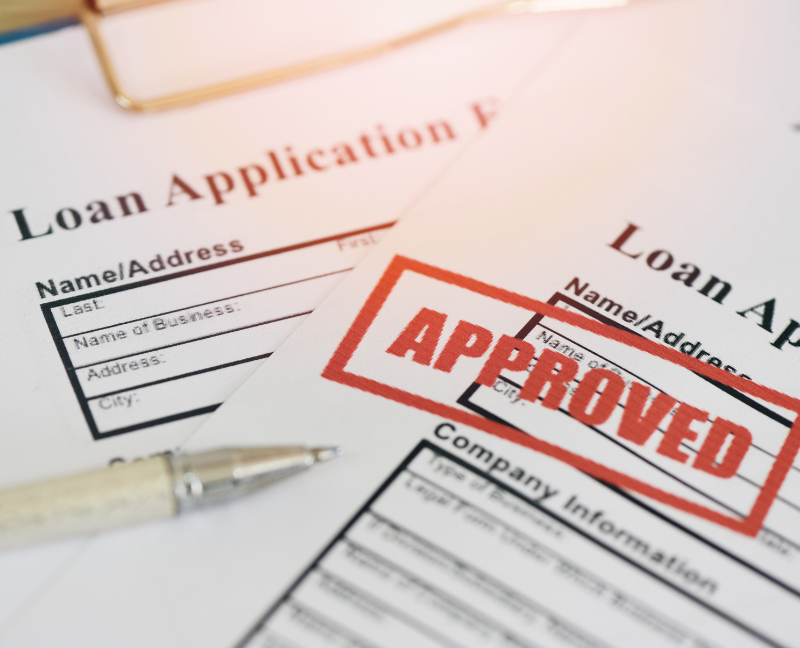
The interest rate has two types: Fixed rate and variable – A fixed-rate interest stays during the loan, you’ll pay the same rate until you finish paying for your loan. While a variable can change and can increase during the loan payment term. You can compare the interest rates and also review and take a good look at the annual percentage rate.
Having good credit means lenders can give you low-interest rates because you’re a less risky borrower. So, maintain good credit to earn you a better offer.
Secured And Unsecured Loans
Secured loans are debts protected by collateral. This means that when you apply for a loan, the lender will want to know your assets and use them as a backup for the loan. In case of default, the lender will acquire your property to compensate for the remaining payments.
It is risky, however, it usually has lower charges and interest rates, better repayment terms, and a higher chance of approval.
One example of a secured loan is a title loan wherein the car is the collateral. In exchange for the loan amount, the borrower must surrender a physical copy of the car title and get it back once the loan is fully paid.
Meanwhile, there are unsecured loans that won’t require any guarantee or collateral from the borrower. That means you can borrow from the lender without surrendering a title or any of your property. While it sounds less risky, it often comes with higher interest rates and fees.
Collateral
Collateral is an item or property of the borrower that is of value and pledged to the lender to secure a loan. With collateral, lenders can reduce the risk of not getting paid. The lender has the right to take hold of and sell the property to get its losses if the borrower is unable to pay on the loan agreement.
Fees
These are the charges lenders can apply on a loan. Fees help lenders to cover the costs associated with processing a loan. Here are some common fees:
Monthly Payment And Long Term Affordability
Monthly payment is the amount that you have to pay each month until your loan is fully settled.
Therefore, you have to take into consideration the amount you have to pay every month. Make sure that it doesn’t affect your budget so you can still pay your other bills while repaying your loan.
While some loans may provide a lower monthly payment than other loans, you have to think thrice before accepting offers. If you are on a tight budget and are looking for an interest-only payment or other types of low-payment loan, weigh things and think of what you can afford.
Generally, getting a loan with the lowest interest rate and loan term is ideal so it’s easier to afford the monthly repayments.
Consider The Total Amount Owed
The total amount owed includes the amount of money borrowed plus the interest and fees. You need to think and evaluate and choose a loan that has the least amount of money owed on the entire agreement term of course. If it’s too big or out of budget, you might want to look for another loan option.
Final Thoughts
A loan might sound like a good solution, especially when you’re running out of cash and you have no other options. However, you have to consider a lot of things, including the kind of loan you’ll get, the properties to surrender, and the interest rate.
Knowing the terms, and features of the loan, and how to shop for options give you an advantage in finding the one that suits you and may help you avoid falling prey to bad debts.
Buying a home requires a lot of effort and patience. From preparing financial documents to checking every new listing daily and scheduling it up for house hunting. On top of this, you have your daily routines and responsibilities, like going to work or taking care of the kids.
The house-hunting process can be very exciting, especially for first-time buyers who specifically save up for down payments and other necessary expenses for the house. However, despite having everything ready, it can be overwhelming to view houses and find your dream home. It’s like entering a bidding war just to find and win your dream home.
Taking Notes
Remembering all the details from every home you visit can be overwhelming, but you can keep track of everything by taking down notes. Using a pen and notebook or your phone, list down everything you liked and disliked about the house. When it’s time to compare down locations, you can use your notes as a basis.
Using Of Spreadsheet
If you’re familiar with Excel and you think that it’s easier for you to use it, then a handy spreadsheet is the answer. You can input all the details in the spreadsheet and simplify so it will be easier for you when you look and compare for details, such as a three-bedroom, two-bathroom with parking or when the offer for a four-bedroom with two-bathroom is a good price.
You can easily drop this into a spreadsheet with homes listed in a vertical column on the left and their status and details in a horizontal column across. Depending on your style you can do a lot using the spreadsheet.
Here are some details you can put on your note or spreadsheet:
Real estate photos are too good to be true and are taken from an angle so they’ll look bigger than their actual size. Having an actual photo means you can have an actual comparison of the size and square footage which is essential when looking for a home.

You can also jot down the style of the home you’ve been to. For some, style is also important in choosing a home they want so it is a good thing to note. It may not have an impact on pricing but it will play a big part in choosing the right home for you.
Putting these notes might help you influence your decision. Depending on the style you want, you might find it more exciting to walk through a modern house than an old house. Your feelings about the house make a difference and could also lead to you finding the right home that will make you happy and at home.
Are you a good borrower? Do you pay back your loan payments and credit card on time? If you do, you might have a high credit score.
But first, what is a credit score?
A credit score or credit rating is a prediction of your credit behavior on how you pay your loans back on time. It is based on your information from the credit reports.
It is a number that determines the borrower’s creditworthiness that ranges from 300 to 850. The higher the score, the more likely for you to get approved for loans at a better rate.
Normally, they will base the credit history on your:
A credit score helps banks, lenders, and companies know if you can pay the loan on time. It is the key to helping lenders to decide if they will offer credit and the terms to be agreed upon.
Based on reports, lenders will decide if you’re worthy of the loan or not. Meanwhile, financial companies, such as banks, will use the credit score to decide whether they’ll offer you a credit card, mortgage, auto loan, and other products. They will also determine the interest rate and the credit limit you will receive based on your capability to pay.
The credit score will depend on the data used. It will differ based on the scoring model, which will be determined by the type of loan product as well as the source data that was used, and the day when it was calculated.
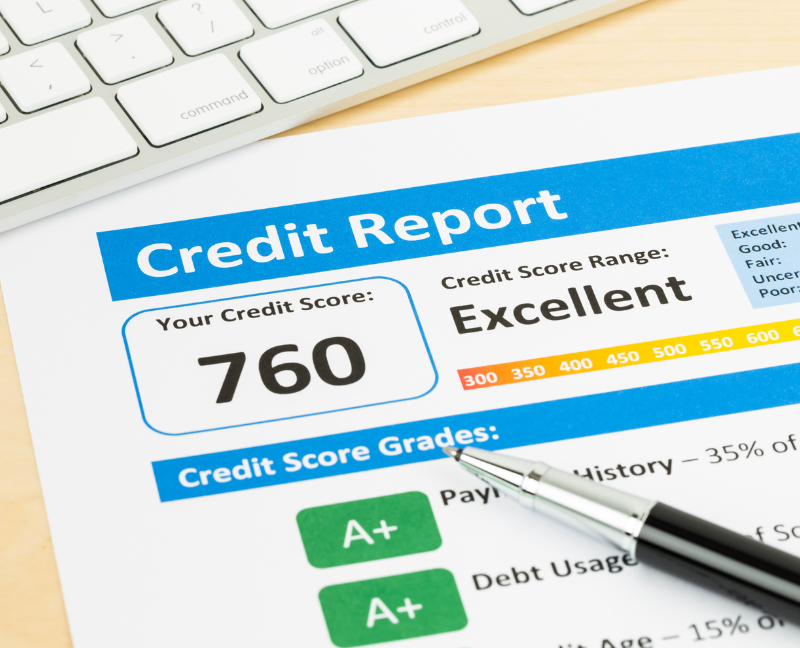
As mentioned above, the factors used to calculate the credit score include repayment history, types of loans, length of credit history, debt utilization, and whether you've applied for new accounts or not.
FICO also known as Fair Isaac Corp. created a credit score model and is used by financial institutions as a standard for giving loans. You can get a free annual credit report each year from credit bureaus. Some of the agencies that dominate the market are Experian, Equifax, and TransUnion. They collect, analyze, and disburse consumer information in the credit markets.
When you pay your loans, the information on your credit report changes. Your credit score changes every time you pay on time or not. There are some ways where you can improve your credit score.
You can also raise your score by enrolling in services that include payment information, such as bills (rent payment and utilities payment) that are not included in the credit scoring. Having a good record can help raise your credit score quickly as long as you pay them on time.
A good credit score is determined by the lenders. It will range depending on the credit score modeling. Credit scores range from:
Limiting your credit applications is also one way to keep your credit score healthy. Applying for credit frequently can make lenders think that you’re overly reliant on credit. Each application will have a record and will be reported to the company or lender you are trying to apply for. So, it's safe to have one or try to space out any applications.
Avoiding defaulted accounts as it can also have a significant impact on your credit score. This occurs when your relationship with the company has broken down because you’ve missed several expected payments.
Borrow what you can only afford. You don’t need to borrow a sum of money if you think you can afford to pay it later on. Getting into trouble with debt can lead to you being harassed by the lenders or at worst threaten your life. These will also stay on your credit report and will have a significant impact on your credit score.
A high credit score means that lenders, banks, and companies see you as a lower risk. Therefore, having a big chance of approving credit. You can get a better chance for a credit card, mortgage, and loan approval. You can also have lower interest rates and better terms that can save you money. Higher credit limits can have a significant impact on your financial life.
Having an excellent credit score offers tons of benefits so before you make any financial decisions, such as borrowing a huge amount of cash from banks or lenders, be sure to weigh its pros and cons. Nonetheless, you can always seek help from professionals so you can come up with informed decisions.
Purchasing your first-ever dream house takes a lot of courage. You have to be mentally and financially ready as it involves a lot of paperwork and patience. Weighing things before what you want and what you can afford.
Most people purchase it with a mortgage as it is often the most extensive personal investment people make. They will tell you the maximum loan amount you are qualified for. You also have to know how much you can borrow and take a closer look at your budget so you will know how much you can afford without exhausting it.
Keep in mind that a mortgage that is two times or two and a half your gross income is affordable. What is gross income, you ask? Gross income is the level of income a prospective homebuyer makes before taking out taxes and other obligations. It’s generally your base salary plus any income like bonuses or income from other earnings like business, part-time earnings, social security benefits, and more.
Gross income plays an important part in determining the front-end ratio as this ratio percentage of your yearly gross income can be dedicated to paying the mortgage monthly. Monthly mortgage payments are composed of the principal amount, interest, taxes, and insurance. The annual gross income goes through paying the mortgage and should not exceed less than thirty percent, that’s the mortgage-to-income ratio or front-end ratio.
While the calculating percentage of your gross income that is necessary to cover the debt is your back-end ratio and should not exceed forty-three percent. What are these debts? It includes your credit card payments and other outstanding loans if there are any.
A credit score is essentially as important as the gross income as lenders will look at the applicant's credit score. It will be a factor in whether the lender can borrow at low rates. Applicants with low credit scores expect to pay a higher interest rate or annual percentage rate on their loans. Be sure to pay close attention to your credit score and maintain good credit.

It’s a good idea to have some understanding of what lenders think you can afford and ask them also how it arrived at that estimation. Lenders will tell you how much loan you qualify for based on your entire financial income. Think carefully and choose only a mortgage you can afford to pay later on.
Being in a house-poor situation where most of your wealth is tied up in your house and all the income goes toward the mortgage debt and related expenses is a no-no. It is possible to have the house foreclosure if things get out of control.
Taking into account the annual income, the expected loan term, interest rate, monthly debt payments, and home-related expenses. Sometimes lenders offer a quick pre-approval process online that makes it easier for borrowers to know all the details before accessing the lender's website without having to go personally. Usually, It will be processed in a matter of minutes.
All mortgages maintain their criteria of affordability and your ability to purchase. When you buy a home the question that always comes is how much you can afford and how much you can borrow.
Lenders will be interested in the applicant's income and how many demands are there in that income. Your income, down payment, and monthly costs are the basic requirements, while your credit history report and score will determine the rate of interest and the financing itself. Despite the stress of asking for and being approved for a loan, lenders are frequently willing to lend you more money than you expect.
They will offer you various terms of loans but will depend on your income as well as your assets and liabilities. They will offer you the most expensive mortgage you can qualify for but always leave room for extra expenses like emergency funds so you won’t need to have another loan as lenders want to loan you more money and the bigger the amount the better. Why? It’s because of the interest rate you’ll have to pay over the loan.
It will be a big number and might shock or even eat you alive if you won’t be able to pay for it. So, you must assess yourself and know how much you can afford through your financial capacity, and from there learn how much money you can borrow.
A down payment is the amount you can afford to pay out of your pocket using cash or liquid assets. Lenders typically demand a higher down payment. Depending on the lender some can purchase a house with a smaller percentage. Remember that the more you pay for the down payment, the less financing you’ll need to pay later on, and the better you look in the eyes of the lender.
This can have a significant impact on your monthly payment and the total interest rate you’ll have to pay. Choosing a mortgage loan of 30 years to pay will be more affordable but you’ll pay a lot more interest over the long term.
Having to cut it to lower with a fixed rate mortgage will cost less interest over the life of the loan but your monthly payment will be considerably more. Remember, the long you have to pay the lower the payment but the interest will be higher and the shorter your payment loan the higher your payment will be but the interest rate will be much lower.
You can also pursue having an adjustable-rate mortgage or a conventional mortgage. It will have a lower initial interest rate that is fixed for five years (depending on your years to pay the loan), but the rate changes every six months.
Before purchasing a new home, consider the amount of the house if you are financially ready as it will affect your life and budget once you get the mortgage loan. Always look for different options and choose what you think is best for you.
Before taking the loan, take the time to calculate all the finances you have. Take into consideration your lifestyle and situation not just in the present but in the future as well.